The Importance of Regular Roof Inspections in Lyndhurst, NJ to Prevent Costly Repairs
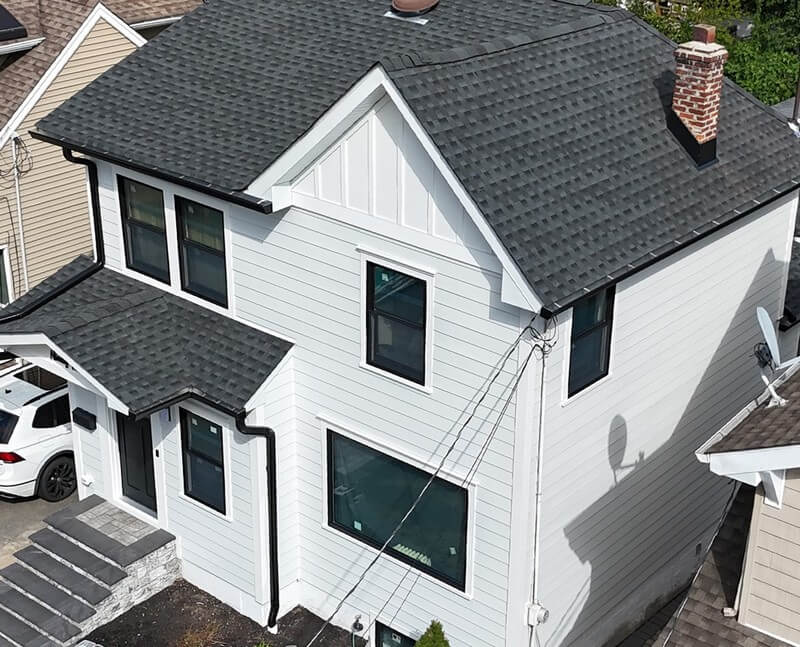
Regular roof inspections in Lyndhurst, NJ help catch small issues before they turn into big problems. Bergen County’s mix of heavy rain, winter freeze-thaw, and the odd Nor’easter can stress shingles, flashing, and gutters. A planned inspection by a qualified local pro gives you a clear picture of your roof’s condition and a simple plan to keep your home dry and safe.
What A Professional Roof Inspection Covers
A thorough inspection looks at the whole system, not just the shingles. A pro checks the surface for missing or curling shingles, the flashing around chimneys and vents, the condition of the ridge and eaves, and how water sheds into gutters and downspouts. They review seals around skylights and pipe boots and note signs of trapped moisture. Inside, they may look for stains on ceilings or around top-floor walls that suggest a past or active leak.
Roofers also pay attention to ventilation. If warm, moist air cannot escape, it can shorten shingle life and invite mold. Proper airflow along the soffits and ridge helps the roof handle summer heat and winter temperature swings common in North Arlington, Rutherford, and the Meadowlands area.
Why Timing Matters In Bergen County Weather
Lyndhurst sees a wide range of weather through the year. Spring brings frequent rain, summer adds heat and humidity, and fall can deliver blustery storms. Winter is tough because melting during the day and refreezing at night can open small gaps around nails and flashing. That is why many homeowners plan inspections in late spring and again in early fall, before the harsher seasons arrive.
Schedule inspections at least twice a year to stay ahead of seasonal stress. A storm-specific visit after hail or high winds is smart, too. Even if your roof looks fine from the street, damage can be subtle. Catching it early is almost always the more affordable path.
Signs You May Need A Roof Inspection Right Now
You do not need to climb a ladder to know when to call. Keep an eye out for these warning signs from the ground or inside the house:
- Water stains on ceilings or the top of walls
- Granules from shingles collecting at downspout ends
- Dark streaks or moss patches spreading across sections of the roof
- Loose, sagging, or detached gutters after storms
- Drafts or musty smells in the top floor or attic hatch area
Do not walk on a wet or icy roof. It is unsafe, and you can cause more damage. A trained inspector has the right tools and methods to evaluate your roof without risk.
Common Issues We Catch Early
On many Lyndhurst homes, especially those built before major renovations in the 1990s and 2000s, we see repeat offenders. Early detection keeps them simple to solve:
- Lifted or cracked shingles along sunny south-facing slopes
- Loose step flashing along sidewalls and dormers
- Cracked rubber pipe boots around plumbing vents
- Clogged or undersized gutters causing water to back up at the eaves
- Insufficient attic ventilation that bakes shingles from below
Each of these problems starts small. Small leaks grow fast in freeze-thaw cycles, so addressing them before winter or after a harsh storm helps prevent ceiling stains and drywall repairs.
How Regular Roof Inspections Save You Money Over Time
Think of a roof inspection like a checkup for your home’s shell. You get a clear report, photos, and simple recommendations. When done on a schedule, small fixes remain small. Sealing a short section of flashing or replacing a few shingles early helps you avoid interior damage and the hassle of tearing out wet insulation.
Planning inspections also helps you budget. Instead of scrambling after a surprise leak, you can prioritize minor maintenance and make informed choices about repairs. Many homeowners in Kingsland and along Valley Brook Avenue find that a checkup before listing a home removes barriers during inspection and appraisal.
What To Expect During An Appointment
Your visit should start with a brief conversation about your home’s history and any past leaks. The inspector will review the roof surface, transitions, and penetrations. They may take moisture readings and thermal images to spot hidden trouble. You will receive a straightforward summary with photos that show what is sound and what needs attention soon.
A good inspection is respectful of your property. Tarps or buckets are not part of the plan because this is not a repair visit. Instead, it is a careful, methodical look that sets the stage for smart maintenance.
Seasonal Plan For Lyndhurst, NJ Homes
Use the local calendar to choose your cadence. Many homeowners book in May or June and then again in September or October. That rhythm covers heavy spring rain, the heat of midsummer, and fall wind events. If your home sits near open fields by the Meadowlands, wind uplift can stress the leading edges of shingles. If your lot is shaded by tall trees in Nutley or Rutherford, leaves can clog gutters and hold moisture at the eaves.
Want to learn more about caring for your roof across the seasons? Browse our practical roofing tips for guidance on planning and prevention.
Roof Materials And Local Realities
Asphalt shingles are common across Bergen County, with some homes featuring modified bitumen or rubber on low-slope sections. Each material behaves differently in heat, sun, and snow load. An inspection notes how your specific roof type responds to our climate and how transitions are built between slopes, dormers, and porches.
If your roof is approaching the later years of its expected life, a professional will help you map out the likely timeline for future work. That way you can plan upgrades around other projects like siding or windows, and schedule during better weather rather than in the middle of an emergency.
Insurance And Documentation Considerations
Many homeowners like keeping a clear record of inspections and repairs. A dated report with images shows how conditions changed over time. While every policy is different, having a paper trail can make conversations with your carrier simpler after wind or hail. An organized history also helps if you decide to sell, because it shows you cared for the home consistently.
Choosing A Trusted Local Roofing Partner
Look for a team that knows the neighborhoods from North Arlington to Belleville and understands how our weather patterns affect roofs. Ask how they document inspections, how they prioritize recommendations, and how they protect landscaping during any follow-up repair. It also helps to work with a company that provides a full exterior perspective, so roof, gutters, and flashing are viewed as one system.
To see the full range of services and schedule fast, start at roof inspections in Lyndhurst, NJ with Carework Construction. You will get a clear, plain-language report and a practical plan to keep water outside where it belongs.
When To Book Your Next Roof Inspection
Consider your home’s age, tree coverage, and exposure. Newer roofs still benefit from periodic checks, especially after severe weather. Older roofs deserve closer attention and more frequent visits. For many Lyndhurst homeowners, a predictable spring-and-fall schedule strikes the right balance between caution and convenience.
If you recently noticed stains, heard dripping during a storm, or found granules around the driveway, a visit soon is wise. Call before the next storm hits so a professional can pinpoint the issue and recommend the simplest fix.
Ready To Protect Your Home?
Preventing damage is always easier than fixing it later. Schedule your professional roof inspection with Carework Construction today, and let our local team keep your home dry season after season. To book your visit or ask a quick question, call 201-998-8960. Prefer to handle it online? You can also request a convenient time through our roof inspections page.
Don't Let Roof Problems Cause Stress: Contact Our Roofers In Lyndhurst & Surrounding Areas Today!